Plan my whale-watching weekend · What's on this weekend
Boats out of Victoria: Prince of Whales · Eagle Wing Whale & Wildlife Tours · SpringTide Whale Watching & Eco Tours
Further north: Campbell River Whale Watching and Adventure Tours · Prince of Whales Telegraph Cove
Find a place to stay in Victoria · Find a place to stay in Campbell River
The Ultimate Guide to Whale Watching on Vancouver Island
Vancouver Island is a mesmerizing blend of untamed wilderness and serene coastal beauty, and its waters are a playground for some of the ocean's most majestic creatures: whales. Let's dive into the essentials of whale watching around this beautiful island, from the best locations and whale species to tour operators and ethical considerations.
Best Locations for Whale Watching
Victoria
Victoria, the capital of British Columbia, is a prime spot for whale watching. The waters around Victoria are teeming with life, offering frequent sightings of orcas, humpback whales, and gray whales. The calm and protected waters of the Strait of Juan de Fuca create ideal conditions for spotting these giants of the sea.
Telegraph Cove
Located on the northeastern side of Vancouver Island, Telegraph Cove is a small village and the usual departure point for trips into Johnstone Strait. This area is renowned for its resident orca pods, making it one of the best places in the world to see these magnificent creatures in their natural habitat.
Campbell River
Campbell River calls itself the Salmon Capital of the World. Its proximity to the Discovery Passage and the Strait of Georgia makes it an excellent location for encountering orcas and humpback whales.
Resident vs. Transient Orcas
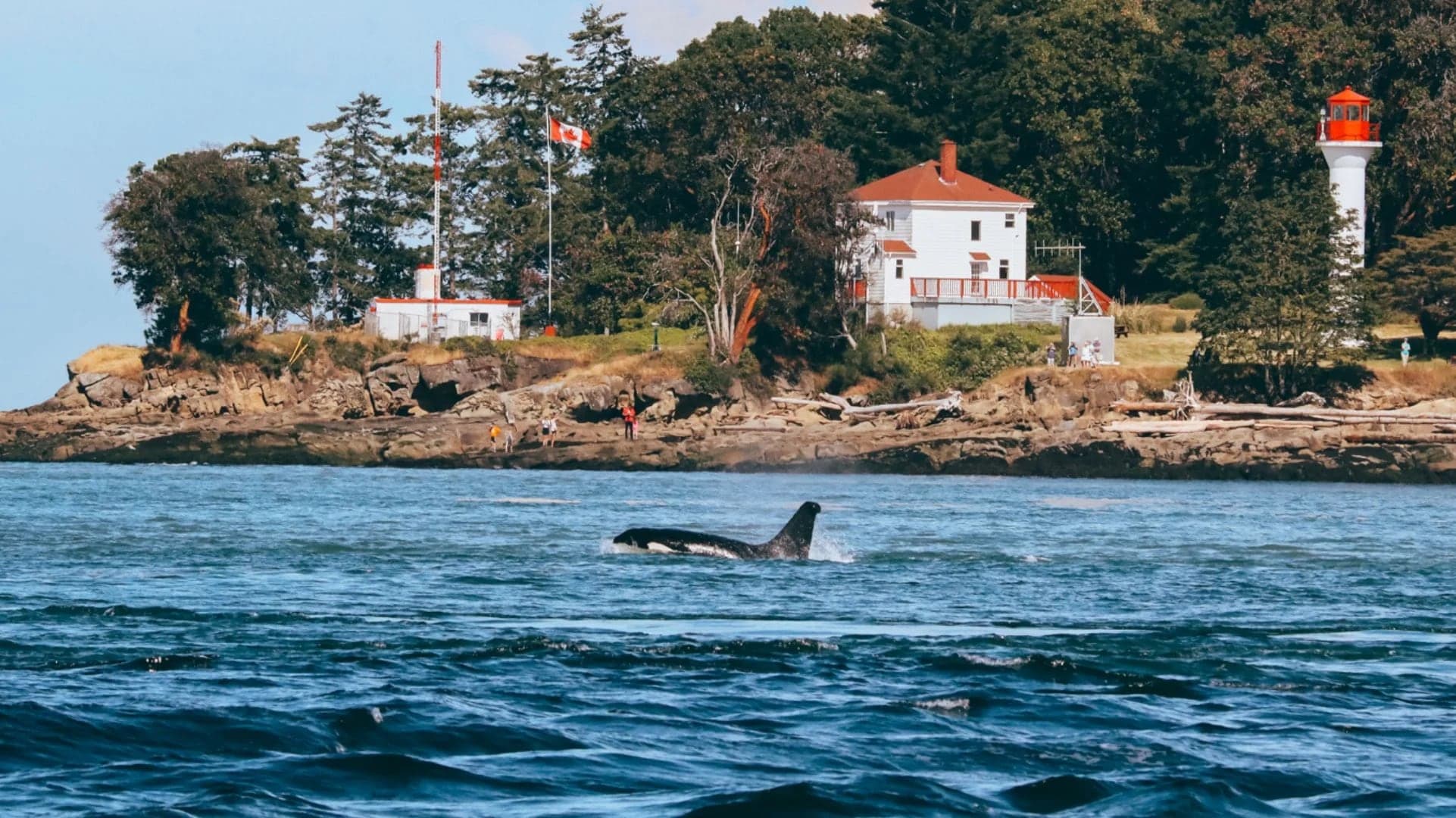
Vancouver Island is home to both resident and transient orcas. The resident orcas, often seen around Telegraph Cove, primarily feed on salmon and are known for their social behaviors and tight-knit family groups. In contrast, transient orcas, or Bigg's killer whales, are marine mammal hunters. They can often be seen around Victoria and Campbell River, preying on seals, sea lions, and even porpoises. Observing these apex predators in action is both thrilling and humbling.
Humpbacks and Gray Whales
Humpback whales are a common sight from May to October, delighting onlookers with their acrobatic breaches and tail slaps. These gentle giants migrate to the nutrient-rich waters of Vancouver Island to feed during the summer months.
Gray whales, on the other hand, are typically seen during their migration periods, as they travel between their breeding grounds in Mexico and feeding areas in the Arctic. Spring and fall are the best times to catch a glimpse of these long-distance travellers.
Best Months for Whale Watching
The peak whale watching season on Vancouver Island runs from May to October. During these months the weather is milder and there is more marine life in the water. While each month has its unique offerings, July and August are particularly favorable due to the abundance of food, which attracts a variety of species.
Top Tour Operators
Choosing the right tour operator is crucial for an enriching and responsible whale watching experience. Some of the top-rated operators include:
-
Prince of Whales Whale Watching: With tours departing from Victoria, they offer a comprehensive experience with knowledgeable guides and eco-friendly practices.
-
Stubbs Island Whale Watching: Based in Telegraph Cove, they are pioneers in the industry and focus on education and conservation.
-
Campbell River Whale Watching and Adventure Tours: Known for their small group tours and passionate guides, they provide a personalized touch to every excursion.
What to Expect on a Tour
Whale watching tours typically last between three to five hours, with options for both large vessels and smaller, more intimate boats. Tours often include educational commentary on the marine ecosystem and behaviors of the whales. Dress in layers, as the weather can change rapidly, and don't forget your sunscreen and hats to protect against the sun's glare on the water.
Photography Tips
Capturing the perfect shot of these majestic creatures can be challenging yet rewarding. Here are a few tips:
- Use a Fast Shutter Speed: This helps to freeze the action, especially when whales breach or tail slap.
- Zoom In: A lens with a focal length of at least 200mm is ideal for getting close-up shots without disturbing the whales.
- Stay Ready: Whales can surface unexpectedly, so keep your camera on and your finger on the shutter.
Ethical Whale Watching
Ethical whale watching is paramount to ensure the well-being of these incredible animals. Tour operators on Vancouver Island adhere to strict guidelines that prioritize the safety and comfort of the whales. Boats maintain a respectful distance, and interactions are minimized to prevent stress on the animals. As a responsible traveller, choose operators committed to conservation and follow their lead in respecting marine life.
Also in this article
2 more listings on Enjoy Vancouver Island — hours, photos, directions and what's on.
Tours & Activities
Prince of Whales Whale & Marine Wildlife Adventures Victoria
Victoria
4.8(2,022)Rated 4.8 out of 5 from 2022 reviewsPrince of Whales runs whale watching tours from Victoria’s Inner Harbour aboard catamaran and Zodiac boats. The custom-built catamaran has three viewing elevations…
Tours & Activities
Prince of Whales - Whale & Marine Wildlife Adventures Telegraph Cove
Port McNeill
4.8(782)Rated 4.8 out of 5 from 782 reviewsFamily-owned and operated since day one, Prince of Whales offers whale-watching tours in Vancouver, Victoria and Telegraph Cove. The Telegraph Cove packages are the…
While you’re there
Upcoming dates near what this article covers — each card says how it relates.
About victoria, like this page
SEOS Seminar - Laurence Coogan, University of Victoria
Tue, Oct 273:00 PM
University of Victoria
Bob Wright Centre (BWC) A104. Calcium, coccoliths, and the Cenozoic carbon cycle
About victoria, like this page
Unwind & Create: A Late Morning Art Journalling Workshop | Victoria, BC
Wed, Oct 2811:00 AM
Hanna Kaye Art Therapy & Counselling @ Hey Shauna Studio$55
Hanna Kaye Art Therapy & Counselling. A midweek creative reset in downtown Victoria, BC. Leave with your very own art…
Where to next
Know someone planning this trip? Send it to them.