Vancouver Island
Whale watching on Vancouver Island
Three species, three seasons and a boat ride that is colder than you are expecting. Here is when to come, how to pick a trip, and where you can stand on land and still see a blow.
- 12 places on this page
- 15 towns
- 3 upcoming
Operators and marine centres we list
Tours & Activities
Campbell River Whale Watching and Adventure Tours
Campbell River$$
4.9on GoogleRated 4.9 out of 5 on GoogleBoat tours from E Dock for orca and humpback whale viewing.
Tours & Activities
Sidney Whale Watching
Sidney$$
4.7on GoogleRated 4.7 out of 5 on GoogleFirst Nation owned whale watching company serving the Saanich Peninsula for over 20 years.
Tours & Activities
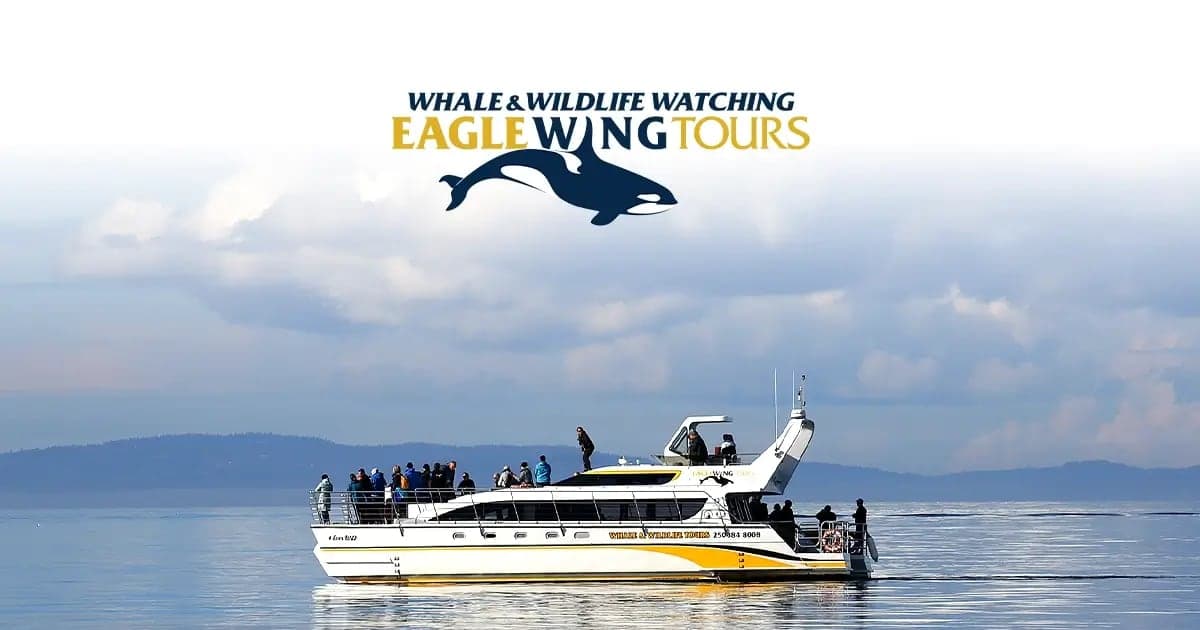
Eagle Wing Whale & Wildlife Tours
Victoria
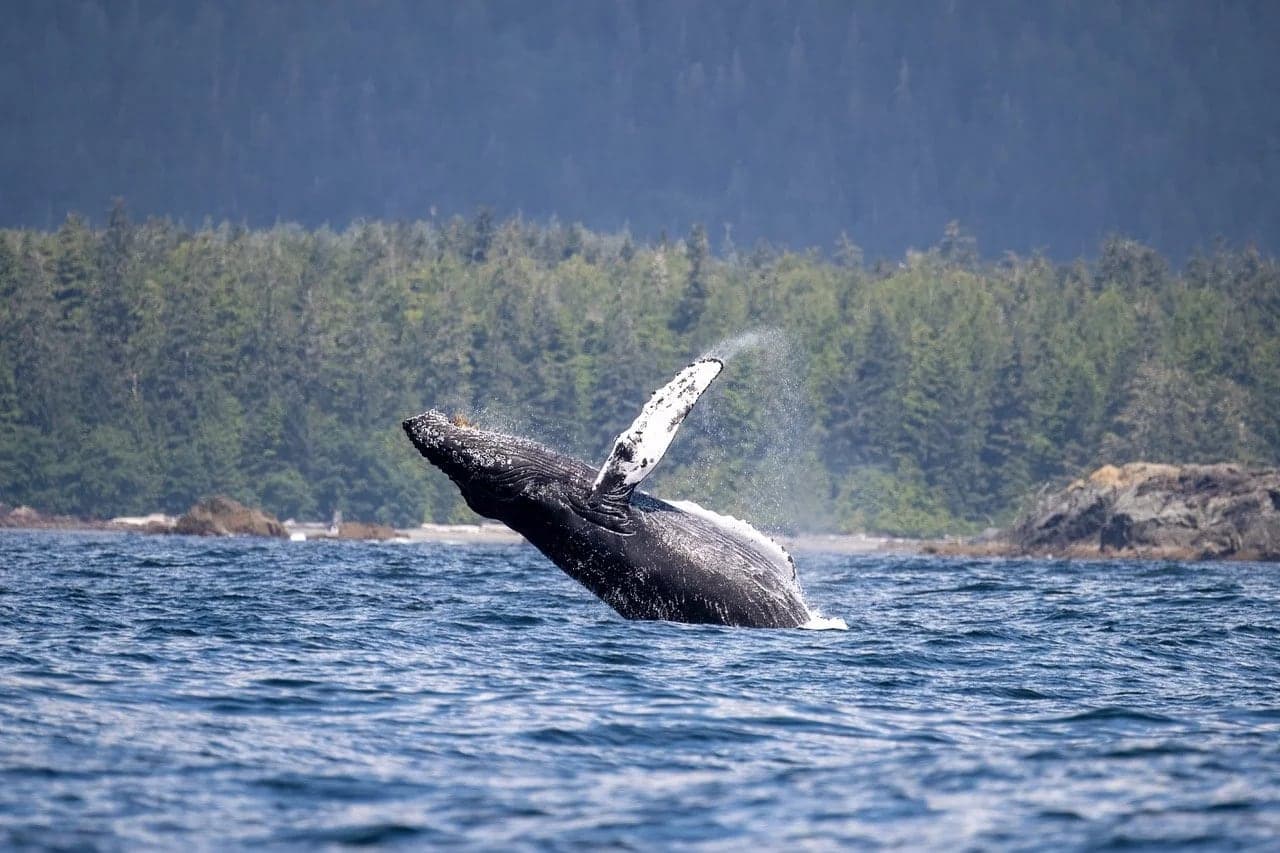
4.9(3,093)Rated 4.9 out of 5 from 3093 reviewsBrett Soberg and Don Stewart started this whale-watching operation in Victoria in 2005; it bills itself as Canada's first carbon-neutral whale-watching company.
Tours & Activities
The Whale Centre
Tofino
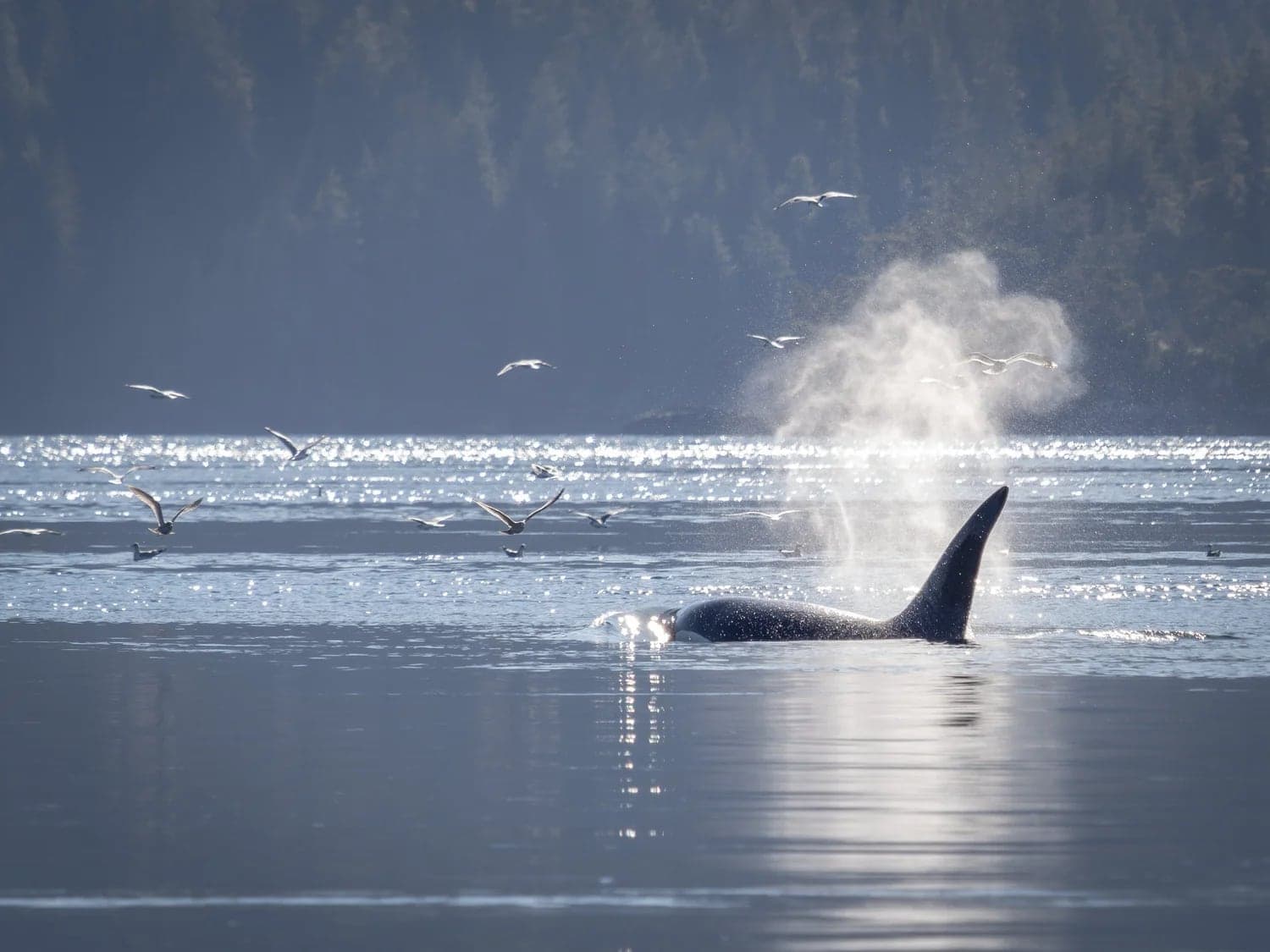
4.9(1,591)Rated 4.9 out of 5 from 1591 reviewsMore than forty years of tours out of Campbell Street in Tofino: whales, coastal black bears, sea otters, and the run up Clayoquot Sound to Hot Springs Cove, where…
Tours & Activities
Seasmoke Whale Watching
Alert Bay
4.9(202)Rated 4.9 out of 5 from 202 reviewsSeasmoke Whale Watching has run small group tours from Alert Bay since 1986, with owners Nate and Jeannine as your captains.
Tours & Activities
Aboriginal Journeys Whale and Wildlife Adventure Tours
Campbell River
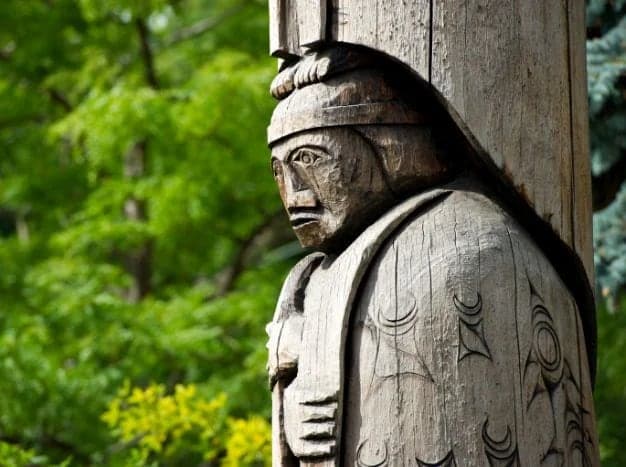
4.9(119)Rated 4.9 out of 5 from 119 reviewsWhale and marine wildlife tours from Campbell River on a covered boat with an open viewing deck, a heater and a washroom, carrying no more than eight guests.
Tours & Activities
Prince of Whales Whale & Marine Wildlife Adventures Victoria
Victoria
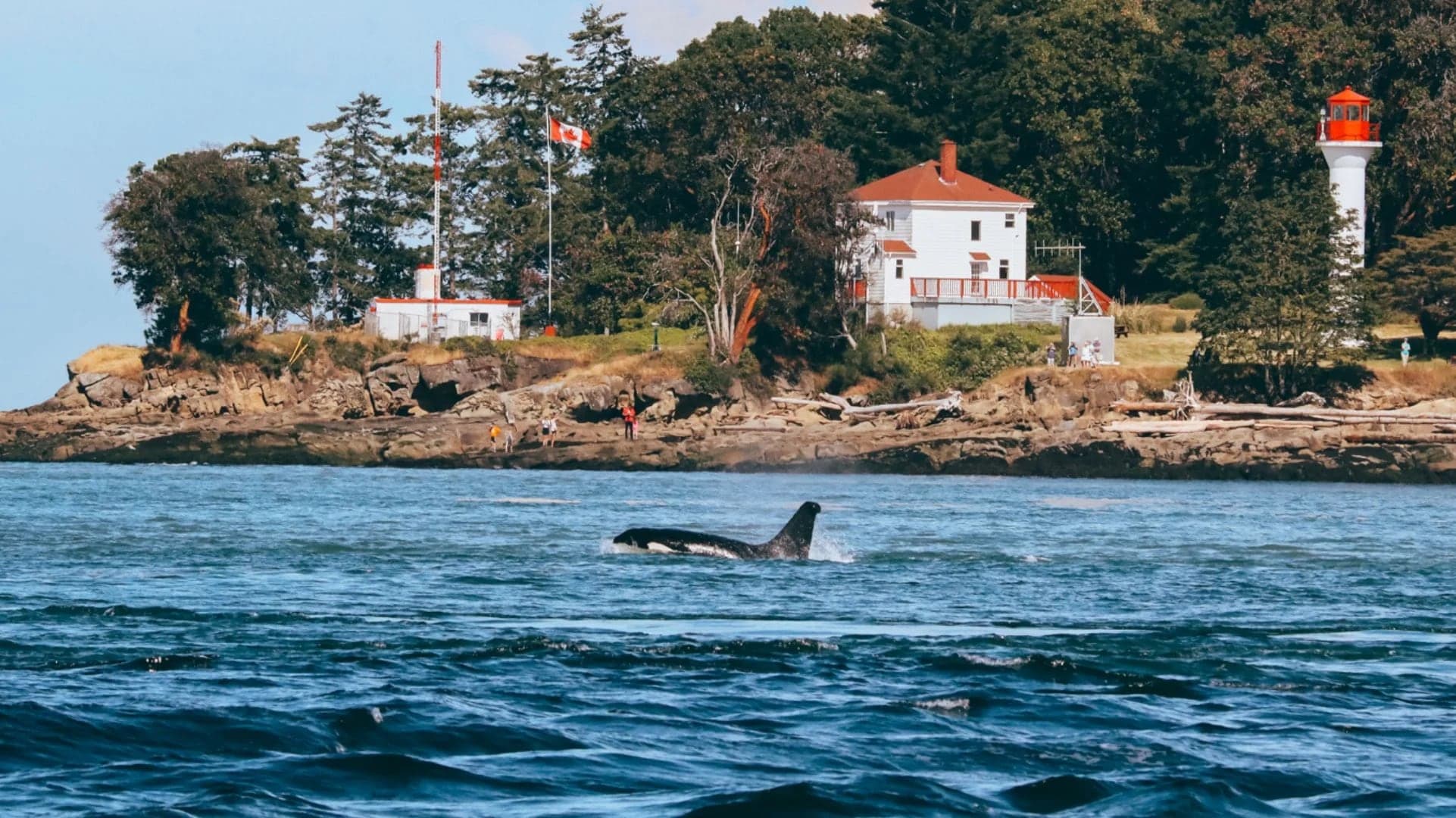
4.8(2,022)Rated 4.8 out of 5 from 2022 reviewsPrince of Whales runs whale watching tours from Victoria’s Inner Harbour aboard catamaran and Zodiac boats.
Tours & Activities
Prince of Whales - Whale & Marine Wildlife Adventures Telegraph Cove
Port McNeill
4.8(782)Rated 4.8 out of 5 from 782 reviewsFamily-owned and operated since day one, Prince of Whales offers whale-watching tours in Vancouver, Victoria and Telegraph Cove.
Who is here, and when
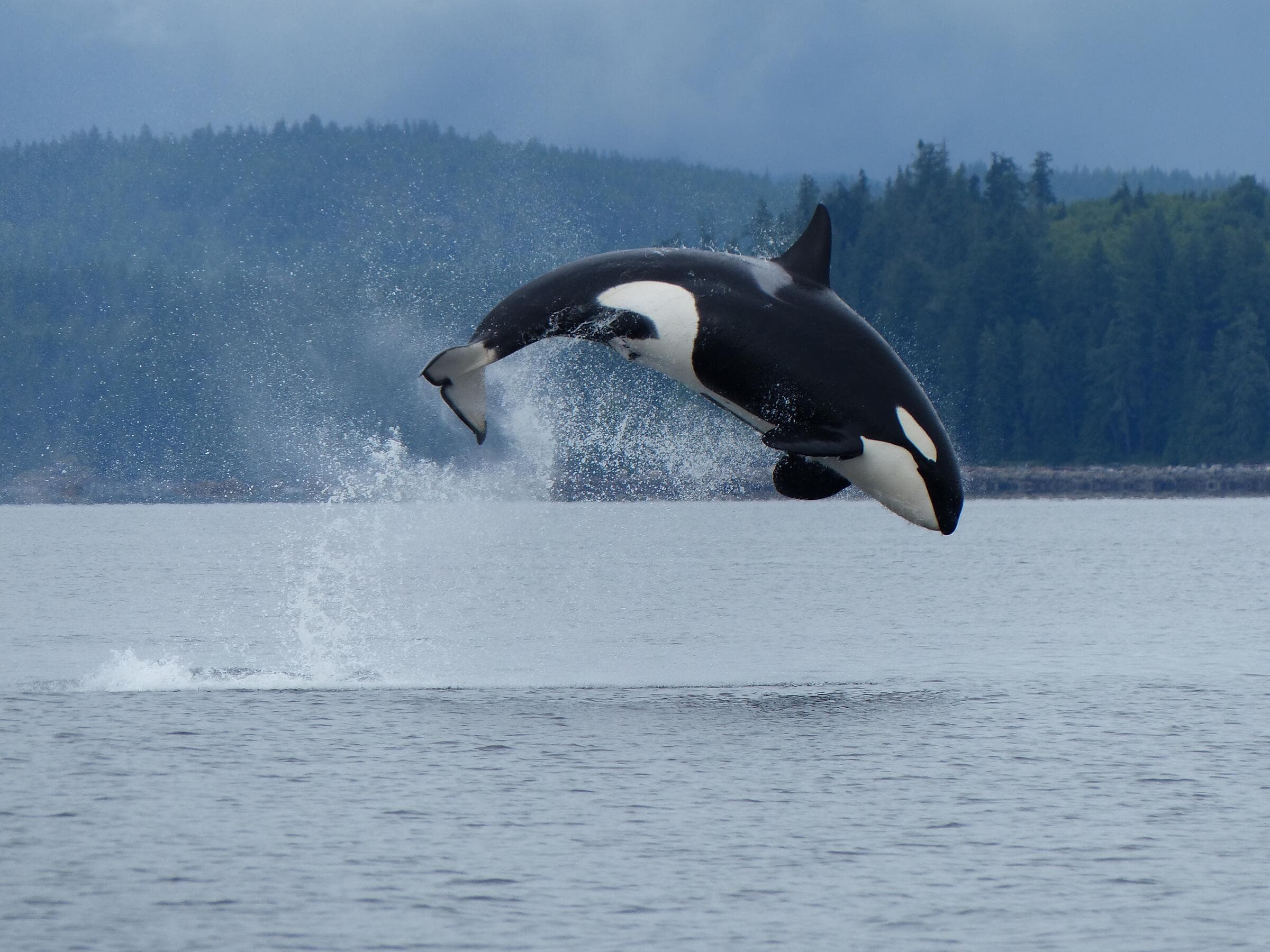
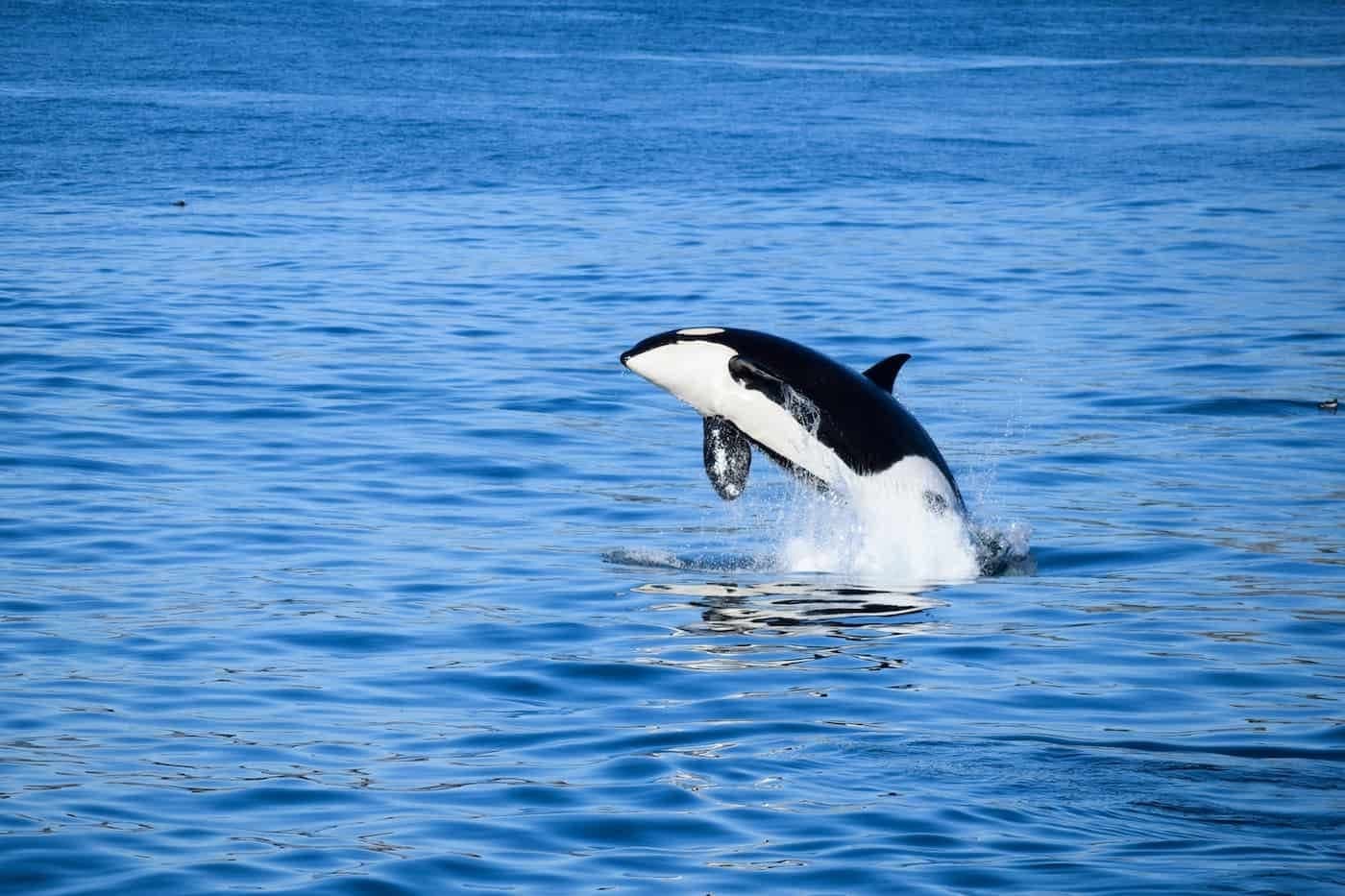
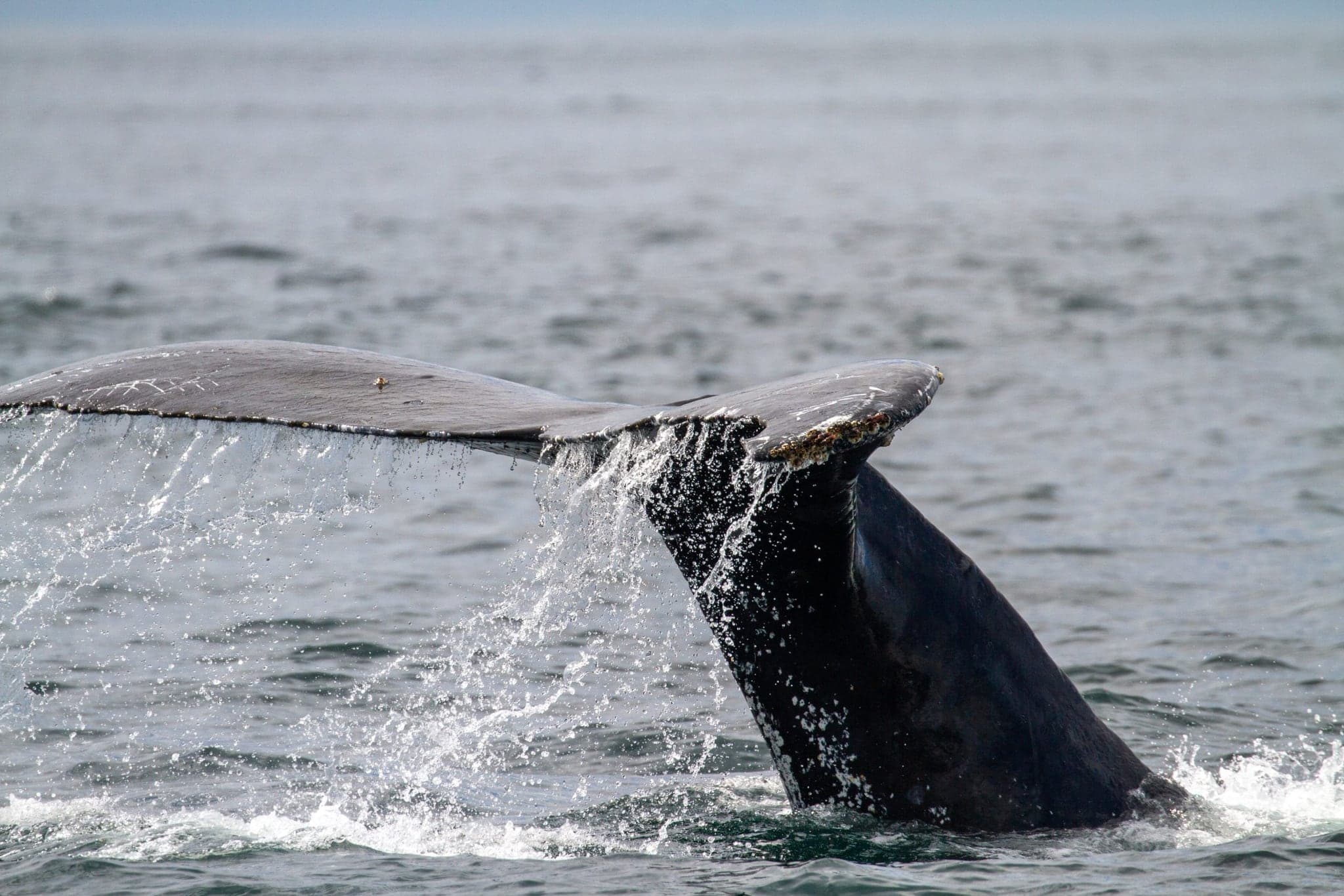
Grey whales move along the outer coast on migration in spring, and a small number stay to feed through the summer close enough to shore to see from a headland. Humpbacks have returned in numbers and are most reliable from midsummer into autumn, when they feed hard before heading south. Orca are present in some form year-round, with the highest encounter rates through summer.
No operator can promise you a whale, and the honest ones do not. What a good operator promises is time on the water, a naturalist who knows the individual animals, and a sighting network that tells them where the animals were an hour ago.
Choosing a boat
Zodiacs are fast, wet, exhilarating and unsuitable for small children, bad backs and anyone who wants to sit still. Covered cruisers are slower, warmer, have a toilet and a heated cabin, and are the right answer for families and for anyone who gets cold. Both reach the same animals; they differ in how you feel after three hours.
Ask two questions before booking: do you carry a certified marine naturalist, and what is your policy when nothing is found. Reputable operators offer a repeat trip rather than a refund, which tells you they expect to find something next time.
What a trip is actually like
- Dress for two seasons colder
- On the water it is windier and 10°C colder than the car park. Layers, a windproof shell, a hat, and closed shoes.
- Three hours, give or take
- Most trips run 3–4 hours including transit out and back. Budget half a day and do not book anything tight afterwards.
- Seasickness is manageable
- Take something an hour before departure rather than when you feel it, and stay on deck looking at the horizon.
- Book ahead in summer
- Peak-season departures sell out days in advance. Shoulder season you can often walk up in the morning.
Headlands and shorelines to watch from
Land-based watching costs nothing and takes patience. These are shoreline parks with the open water and the sightlines for it.
Park & Nature
Creyke Point
Sooke
4.9on GoogleRated 4.9 out of 5 on GoogleCoastal park within Roche Cove Regional Park with walking trails and picnic areas. Wildlife viewing along the trails.
Park & Nature
Cathedral Grove
Port Alberni
4.8on GoogleRated 4.8 out of 5 on GoogleMacMillan Provincial Park holds stands of Douglas firs and red cedars, with nature trails through the area.
Park & Nature
Alberni Valley Lookout
Port Alberni
4.8on GoogleRated 4.8 out of 5 on GoogleValley lookout with walking trails.
Park & Nature
Ripple Rock Hike Lookout
Campbell River
4.8on GoogleRated 4.8 out of 5 on GoogleTrail to a lookout point, with wildlife along the route.
The rules exist for a reason
Approach distances for whales in British Columbia waters are set in law, and they are larger than most people expect. A responsible skipper will shut down and drift rather than reposition for your photograph, and will leave a resting group alone entirely. If a boat you are on is crowding an animal, that is the trip failing, not succeeding.
The same applies on land and in a kayak. Binoculars are the correct tool; a long lens is the second. Getting closer is not the goal.
Whale watching by town
Places, events and things to do, town by town.