Vancouver Island
Beaches on Vancouver Island
Warm shallow bays, long grey-sand walks and surf coast you would not swim in on a dare. The difference between them is the tide, the aspect and about forty minutes of driving.
- 13 places on this page
- 15 towns
- 4 upcoming
Beaches with a page on Enjoy Vancouver Island
Park & Nature
Qualicum Beach West Beach
Qualicum Beach
4.8on GoogleRated 4.8 out of 5 on GoogleBeach with picnic areas and swimming.
Beach
Parksville Beaches
Parksville
4.8on GoogleRated 4.8 out of 5 on GoogleBeaches along Island Highway East.
Park & Nature
Mackenzie Beach
Tofino
4.8on GoogleRated 4.8 out of 5 on GoogleSandy beach for paddleboarding, kayaking, and beachcombing.
Park & Nature
Qualicum Beach East Beach
Qualicum Beach
4.8on GoogleRated 4.8 out of 5 on GoogleBeach with tidal pools for beachcombing.
Beach
Rathtrevor Beach Provincial Park
Parksville
4.7on GoogleRated 4.7 out of 5 on GoogleBeachfront provincial park with nature trails and camping.
Park & Nature
Crofton Beach Park
Duncan
4.6on GoogleRated 4.6 out of 5 on GoogleBeach park with swimming access and picnic areas. Beachcombing and sunset views.
Park & Nature
Kitty Coleman Beach Provincial Park
Comox Valley
4.6on GoogleRated 4.6 out of 5 on GoogleProvincial park beach in the Comox Valley with hiking trails and wildlife watching.
Park & Nature
Fernwood Point Beach
Salt Spring Island
4.6on GoogleRated 4.6 out of 5 on GoogleSalt Spring Island beach suited to beachcombing.
Park & Nature
Kinsmen Beach Park
Chemainus
4.5on GoogleRated 4.5 out of 5 on GoogleBeach with playground and picnic areas.
The tide decides, not the forecast
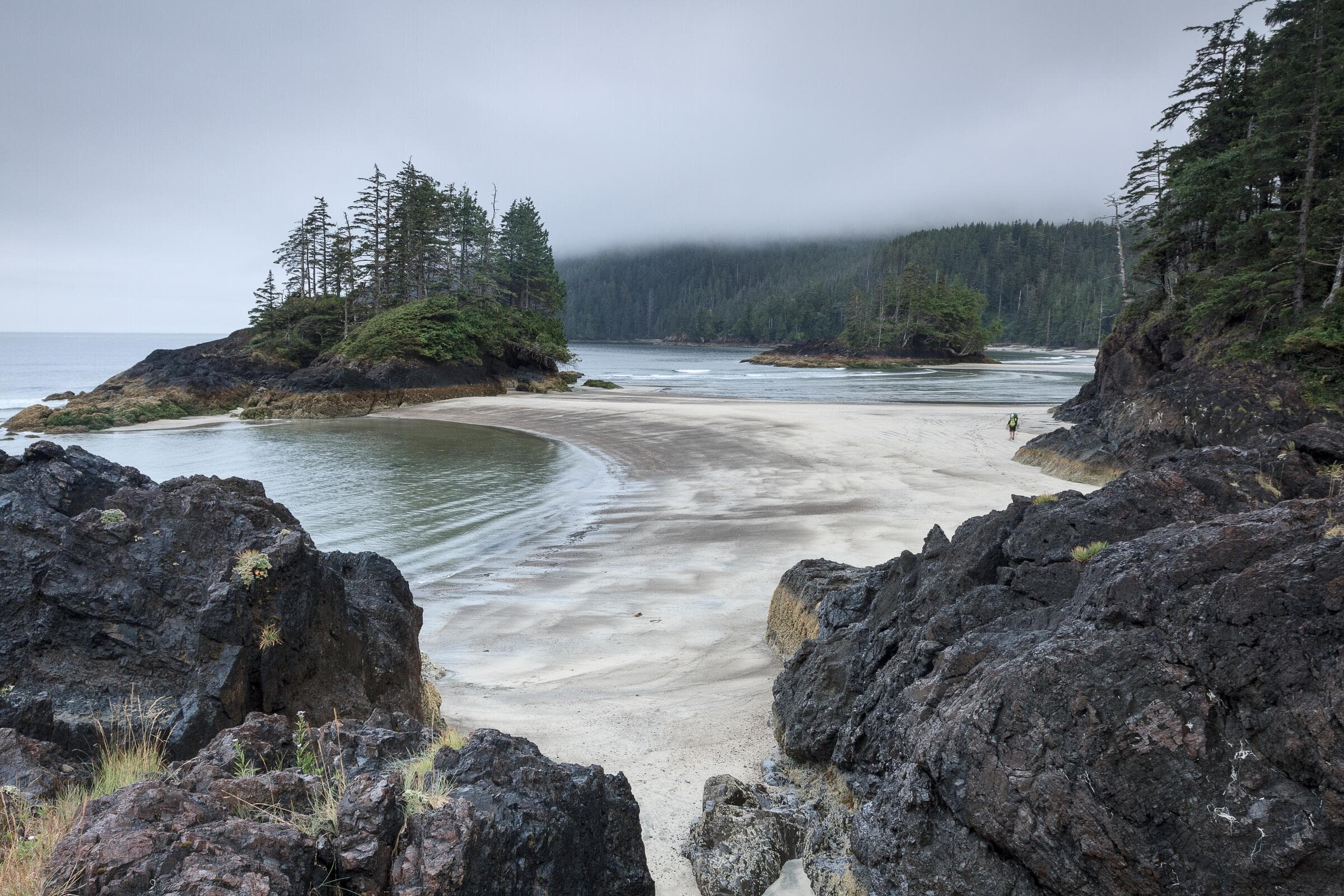
A beach on the island is two different places six hours apart. On a big ebb, bays drain to hundreds of metres of ribbed sand and warm ankle-deep channels; the same bay at high water is a narrow strip against the logs. Sheltered east-facing beaches warm up fastest because the outgoing tide leaves the flats baking in the sun and the incoming tide runs back over warm sand — that is why the swimmable water is on the inside coast, not the open one.
Check a tide table before you pick the day, not after. Low tide in the afternoon is the combination you want for tide pools, sandbars and anything involving children. High tide suits a walk, a swim off a steep shore, and photographs where the water still reaches the driftwood.
Three kinds of beach, and how to tell them apart
Sheltered sand: shallow, gently shelving, often backed by a park with parking, toilets and a playground. This is the family default and the only reliably warm water on Vancouver Island.
Open coast: long, loud, cold and spectacular. Great for walking, storm watching and surfing; poor for swimming and genuinely dangerous where there is rip or surge. Treat any beach facing open ocean as a look-but-do-not-wade beach unless you know the break.
Pocket and shingle: small coves reached on foot, often with the best tide pools and the fewest people. They reward low tide and good shoes, and they are where the sea stars, anemones and crabs actually are.
Before you go
- Check the tide, then the weather
- Tide height changes what a beach is. The forecast only changes how you dress for it.
- Water shoes beat flip-flops
- Barnacle, oyster shell and cobble do real damage to bare feet, and flip-flops float away.
- Put everything back
- Turn rocks back the way you found them and leave shells, sea stars and crabs where they are. Tide pools are somebody’s address.
- Fires are usually banned
- Beach fire bans run through most of the summer. Check the local bylaw and the current fire rating before you carry wood down.
Waterfront parks and picnic shores
Not strictly beaches — shoreline parks where the sitting is as good as the swimming.
Park & Nature
Seaport Park
Sidney
5.0on GoogleRated 5 out of 5 on GoogleWaterfront walking trails with wildlife viewing and picnic areas, rated 5.0.
Park & Nature
Mount Erskine Provincial Park
Salt Spring Island
4.9on GoogleRated 4.9 out of 5 on GoogleHiking trails including Trustees Trail climb to viewpoints above Salt Spring Island.
Park & Nature
Creyke Point
Sooke
4.9on GoogleRated 4.9 out of 5 on GoogleCoastal park within Roche Cove Regional Park with walking trails and picnic areas. Wildlife viewing along the trails.
Park & Nature
Nymph Falls
Comox Valley
4.8on GoogleRated 4.8 out of 5 on GoogleWaterfall with hiking trails and picnic spots in the Comox Valley.
Getting there, parking and the quiet hours
The well-known beaches fill their car parks by about eleven on a fine summer weekend and stay full until five. Arriving before nine or after four turns a queue into a parking space, and gives you the good light either side of it.
Almost every beach on this page sits inside a park, which means a gate, a season and sometimes a fee. Outside July and August most of them are simply empty — a grey-sky beach walk in British Columbia is a legitimate reason to visit, not a consolation prize.
Beaches by town
Places, events and things to do, town by town.