Vancouver Island
Surfing on Vancouver Island
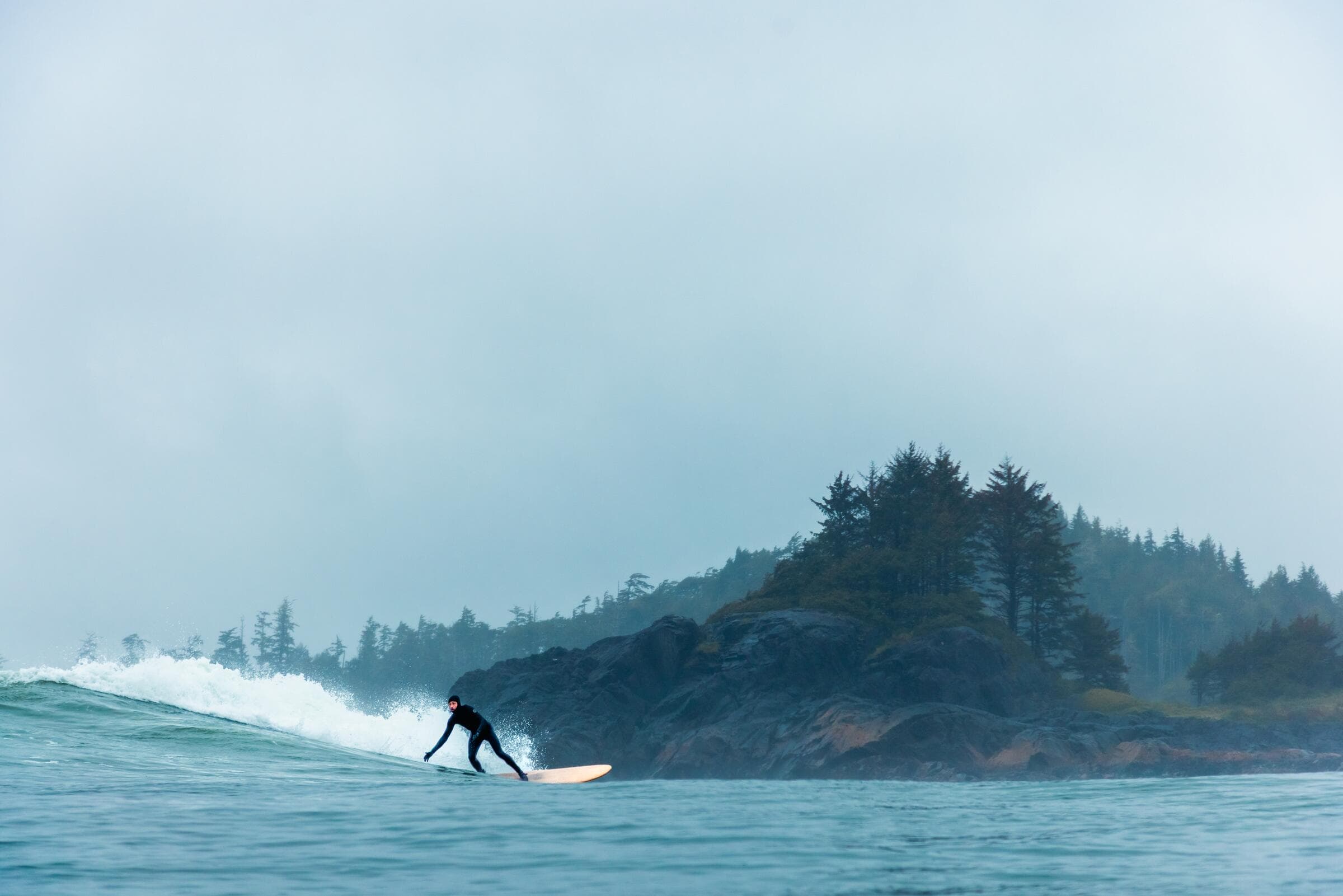
A cold, consistent, thoroughly unglamorous coast that happens to produce some of the best beginner surf in the country — and some of the heaviest winter swell. The wetsuit is not optional.
- 12 places on this page
- 15 towns
- 4 upcoming
Surf coast places we list
Park & Nature
Surf Grove Campground
Tofino$$
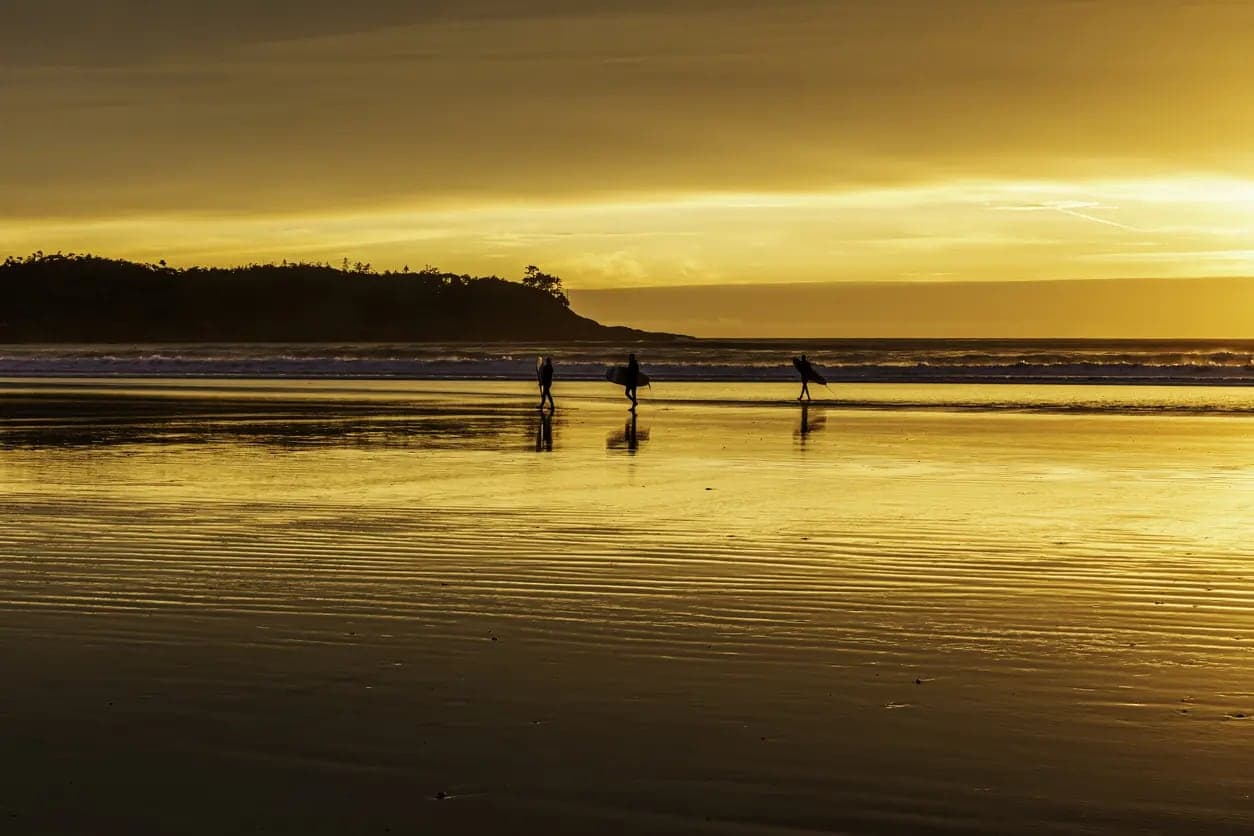
4.7on GoogleRated 4.7 out of 5 on GoogleSurf Grove is a campground at Cox Bay on the Pacific Rim Highway just outside Tofino, and the only campground directly at that beach.
Tours & Activities
Tofino Surf School
Tofino
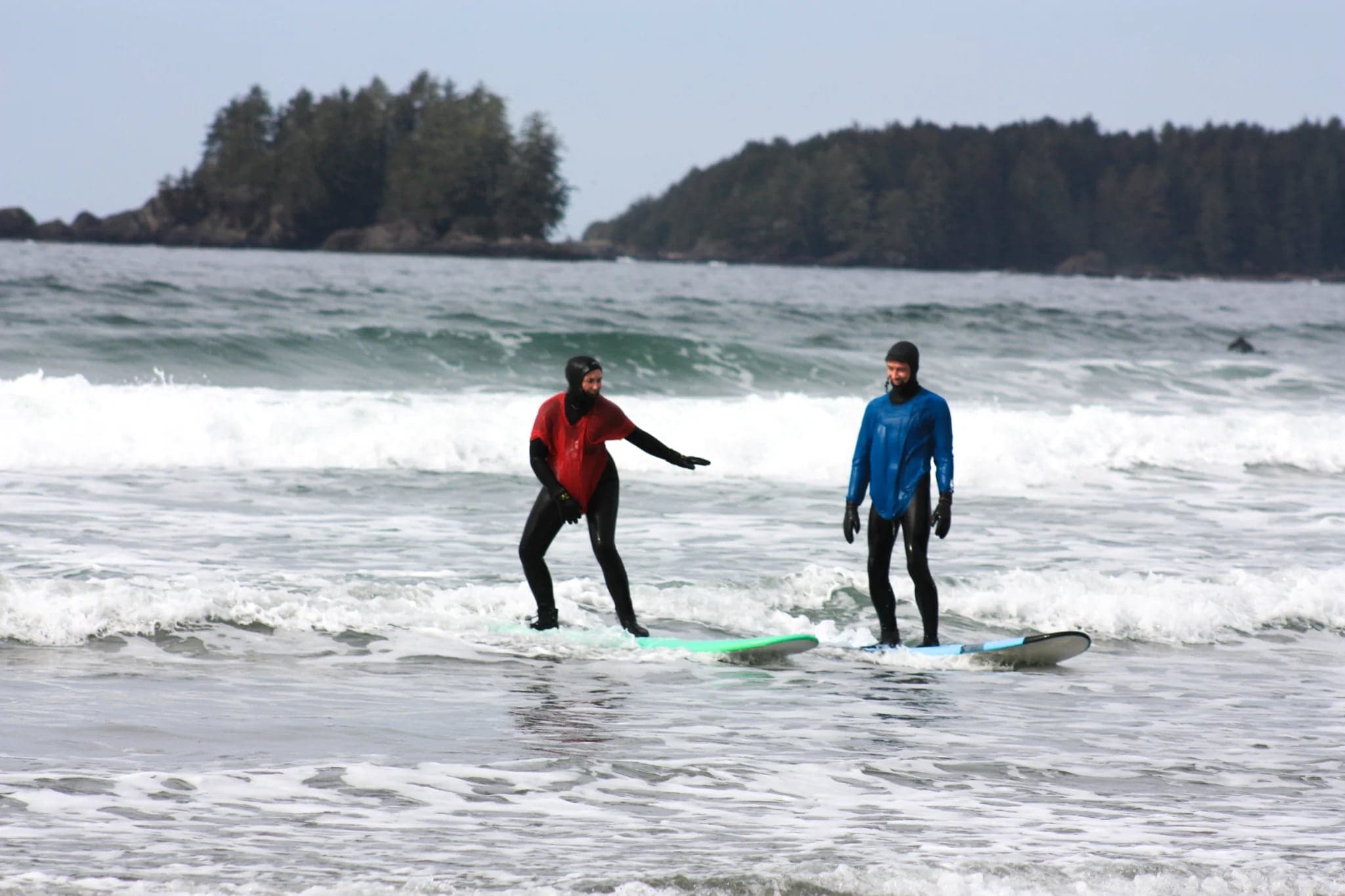
5.0(994)Rated 5 out of 5 from 994 reviewsGroup lessons at Tofino Surf School have a typical ratio of 6 students to 1 instructor.

Tours & Activities
Surfside Adventure Tours
Victoria
5.0(158)Rated 5 out of 5 from 158 reviewsPrivate guided tours and transportation from Victoria since 2014, in the company's own vehicles with its own guides.
Tours & Activities
Surf Junction Surf School
Ucluelet
5.0(25)Rated 5 out of 5 from 25 reviewsSurf Junction Surf School offers group lessons and private friends and family lessons in Ucluelet.
Tours & Activities
Tofino Surf Adventures
Tofino
4.9(231)Rated 4.9 out of 5 from 231 reviewsTofino Surf Adventures offers beginner, intermediate, family, and private group lessons, surf camps, and surf coaching.
Tours & Activities
Westside Surf School
Tofino
4.9(44)Rated 4.9 out of 5 from 44 reviews
Hotel & Accommodation
Surf Junction Campground
Ucluelet
4.6(629)Rated 4.6 out of 5 from 629 reviewsForested campground between Ucluelet and Long Beach with roughly 90 campsites on 74 acres, a few minutes drive from Pacific Rim National Park Reserve and surf…
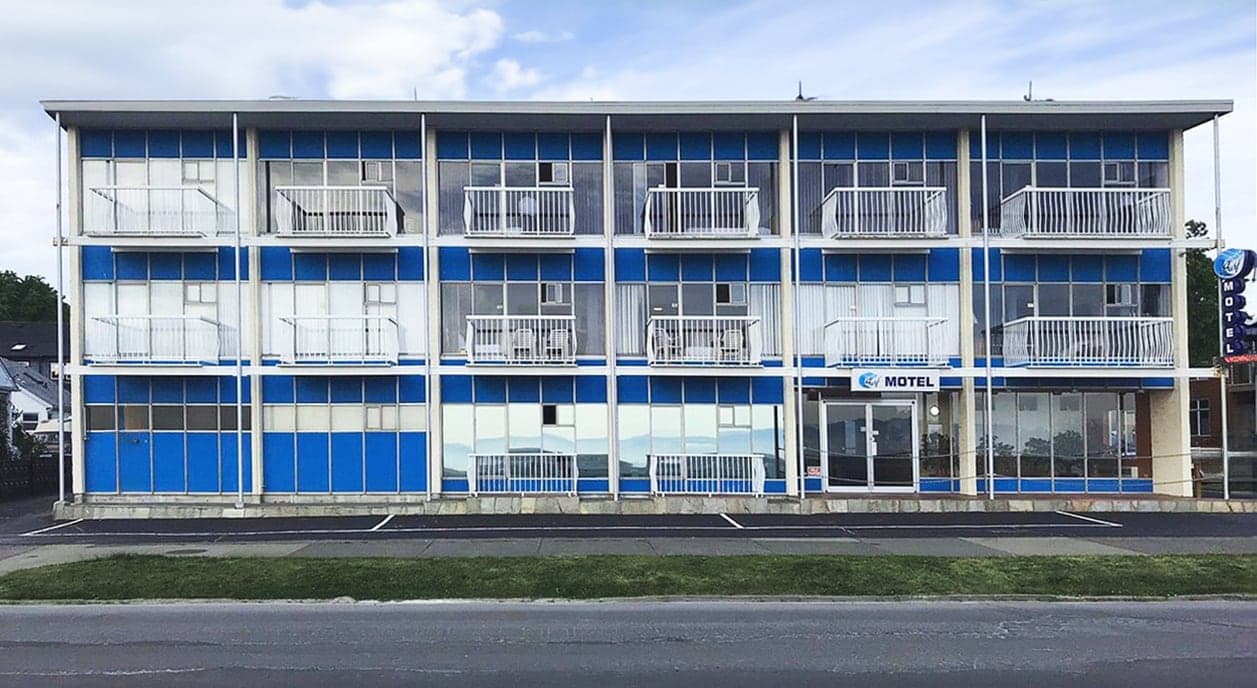
Hotel & Accommodation
Surf Motor Motel Ltd
Victoria
4.6(136)Rated 4.6 out of 5 from 136 reviewsOceanfront motel built in 1960, operated as a family business. All rooms feature kitchenettes, flat screen TV, wireless internet, and oceanfront balconies with…
A cold-water coast, all twelve months
The water on the exposed coast of Vancouver Island sits between about 8°C and 14°C year-round. That is not a detail — it is the defining fact of surfing here. A 4/3 wetsuit with boots is the summer kit; winter adds a hood and gloves and a 5/4. Anyone who tells you that you will be fine in a shortie has not been in.
In exchange you get consistency. Swell arrives all year, the beach breaks are forgiving at the right size, and there is no season in which the coast goes flat for weeks.
When to come, depending on who you are
Learning: late spring through early autumn. Smaller, cleaner, warmer, and the schools are all running. A two-hour group lesson with board and suit included is the cheapest way to find out whether you like it.
Improving: autumn. The swell picks up, the crowds thin, and the water is at its warmest of the year after a summer of sun on it.
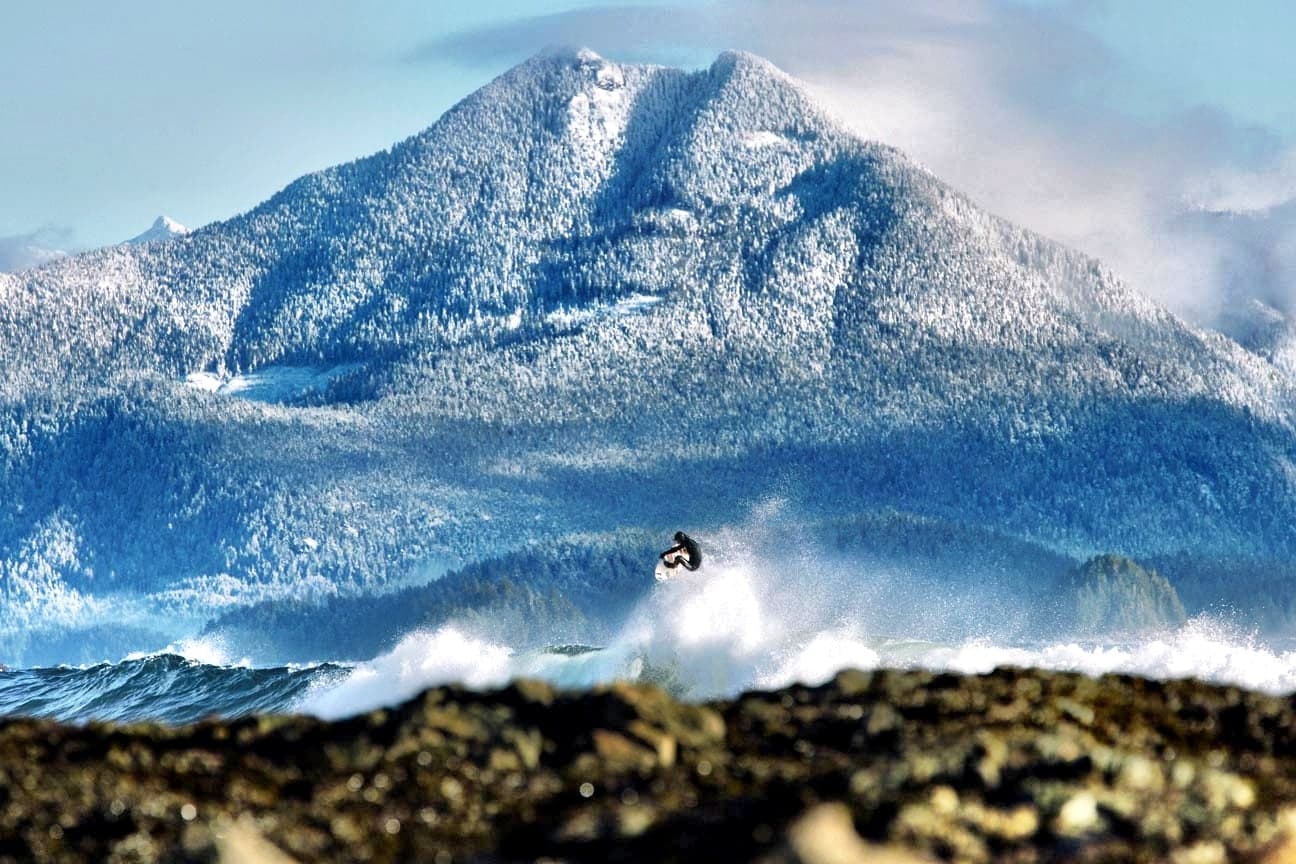
Serious: winter. Big, cold, heavy, and the reason storm-watching season and surf season are the same thing here. Not a time to be learning.
Kit and conditions
- Rent before you buy
- Every surf town here rents boards and suits by the day. A soft-top and a 4/3 is the right first combination.
- Read the tide and the swell
- Most beach breaks here work on a specific part of the tide. The rental shop will tell you which — ask.
- Rips are the real hazard
- Cold water plus a rip is what gets people into trouble. If you are pulled out, do not fight it; paddle across it.
- Change in the car park
- There are no heated changing rooms. A bucket of warm water in the boot is the single best piece of surf equipment here.
Around the surf towns
The beaches, parks and places that fill the hours between tides.
Park & Nature
Seaport Park
Sidney
5.0on GoogleRated 5 out of 5 on GoogleWaterfront walking trails with wildlife viewing and picnic areas, rated 5.0.
Hotel & Accommodation
Sidney Spit Campground
Sidney$
5.0on GoogleRated 5 out of 5 on GoogleParks Canada campground on Sidney Spit for kayaking and wildlife viewing.
Park & Nature
Bevan Park
Sidney
5.0on GoogleRated 5 out of 5 on GooglePark with play area and gardens in Sidney.
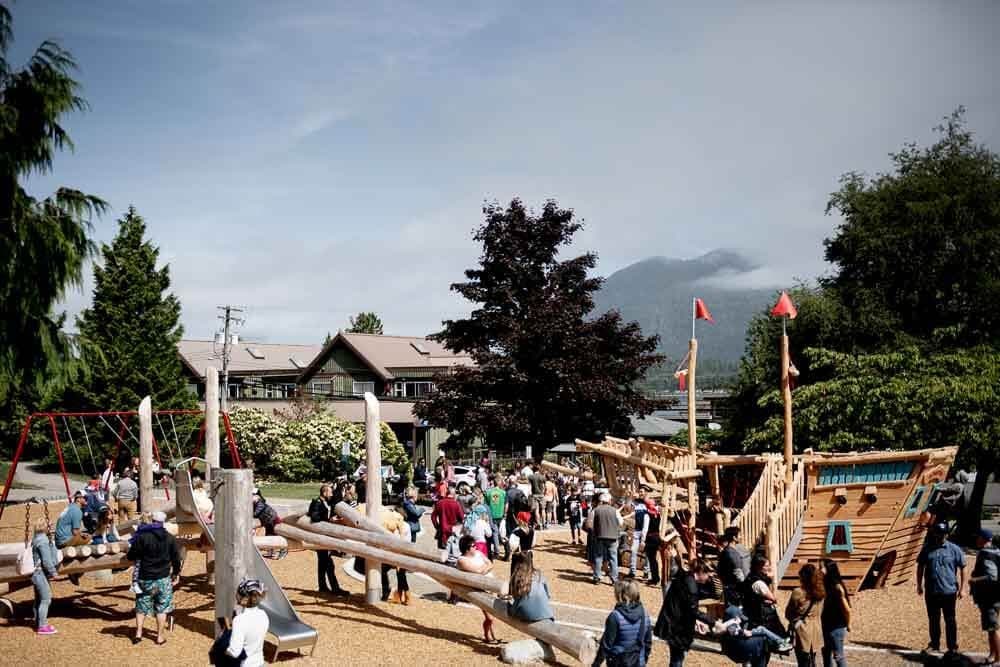
Park & Nature
Centennial Park
Tofino
5.0on GoogleRated 5 out of 5 on GoogleTofino park with playgrounds, used for community events and picnics.
Etiquette, because the lineup is small
This is a compact scene with a strong local core and a lot of visiting beginners. The rules are the usual ones and they matter more than usual: one person per wave, the surfer closest to the peak has right of way, do not paddle through the middle of the break, and hold your board rather than letting it go.
Beginners belong on the inside on the whitewater, away from the peak, ideally with an instructor. That is not a demotion — it is where the surfable waves for your first ten sessions actually are.
Surf and coast events coming up
All eventsSurfing by town
Places, events and things to do, town by town.