Vancouver Island
Photography spots on Vancouver Island
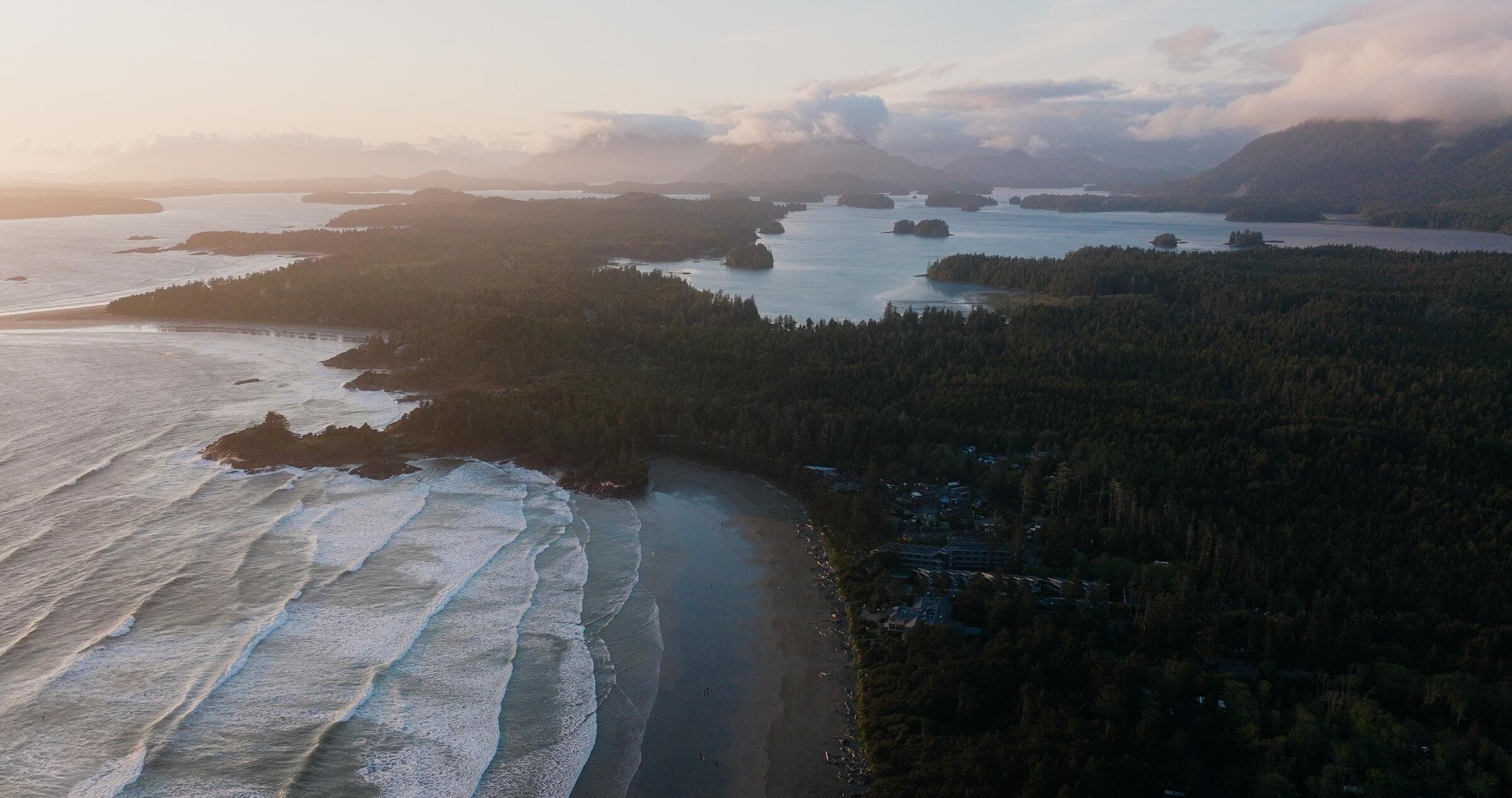
A coast that is overcast most of the year, which is the best news a photographer gets. Soft light, wet rock, low cloud in the trees — the conditions people apologise for are the conditions you want.
- 13 places on this page
- 15 towns
- 4 upcoming
Viewpoints and locations we list
Park & Nature
Alberni Valley Lookout
Port Alberni
4.8on GoogleRated 4.8 out of 5 on GoogleValley lookout with walking trails.
Park & Nature
Ripple Rock Hike Lookout
Campbell River
4.8on GoogleRated 4.8 out of 5 on GoogleTrail to a lookout point, with wildlife along the route.
Park & Nature
Little Mountain Lookout
Parksville
4.8on GoogleRated 4.8 out of 5 on GoogleScenic lookout accessed by hiking trail.
Park & Nature
Lighthouse Country Regional Trail
Qualicum Beach
4.7on GoogleRated 4.7 out of 5 on GoogleNature trail with wildlife viewing and scenic viewpoints.
Park & Nature
Anchor / Third Street Park & Lookout
Tofino
4.6on GoogleRated 4.6 out of 5 on GooglePark with a lookout and picnic area.
Hotel & Accommodation
Lighthouse Inn Tofino
Tofino
5.0(15)Rated 5 out of 5 from 15 reviewsHotel & Accommodation
Mariner's Lookout on Comox Bay
Comox Valley
4.9(11)Rated 4.9 out of 5 from 11 reviewsHotel & Accommodation
Lighthouse Motel
Qualicum Beach
4.7(78)Rated 4.7 out of 5 from 78 reviewsA motel on the Island Highway at Qualicum Bay, facing out across the Strait of Georgia to Hornby Island and the mainland mountains.
Park & Nature
Fort Rodd Hill and Fisgard Lighthouse NHS
Victoria
4.7on GoogleRated 4.7 out of 5 on GoogleCoastal defence fort and lighthouse, now a national historic site.
The weather is the subject
Bright summer midday is the worst light Vancouver Island offers: hard shadows under canopy, blown highlights on water, haze on the distance. Overcast is a giant softbox and it is the default here for much of the year. Rain makes forest saturate and rock shine. Fog turns an ordinary stand of trees into depth.
Plan around the conditions rather than in spite of them. The forecast that cancels a beach day is the one that makes the photograph.
Tide, and why it beats sunrise
On a coast, the tide decides the composition. Low water exposes reflective flats, tide pools, wrack lines and the base of sea stacks. High water brings the sea up to the driftwood and gives you movement against rock for long exposures.
Check the tide table alongside the sun times. A perfect golden hour at the wrong tide gives you a photograph of a car park and some distant water.
Working here
- Shoot the bad weather
- Overcast, fog and rain are the region’s best light. Blue sky at noon is the worst of it.
- Tide table, then sun times
- On this coast the tide changes the composition more than the hour does.
- Rain protection for the camera
- Salt spray and drizzle are constant. A cover and a cloth keep you shooting.
- Tripod for the forest
- Rainforest interiors are far darker than they look. Everything good in there is a slow exposure.
Harbours, headlands and heritage streets
Working waterfronts and old streets — the best of the island that is not landscape.
Park & Nature
Seaport Park
Sidney
5.0on GoogleRated 5 out of 5 on GoogleWaterfront walking trails with wildlife viewing and picnic areas, rated 5.0.
Museum & Gallery
Cowichan Bay Maritime Centre
Duncan
4.7on GoogleRated 4.7 out of 5 on GoogleMaritime museum in Cowichan Bay with interactive exhibits and model boat collections.
Park & Nature
Victoria Quay
Port Alberni
4.5on GoogleRated 4.5 out of 5 on GoogleWaterfront park in Port Alberni with picnic spots, art installations and wildlife watching.
Attraction
Alberni Harbour Quay
Port Alberni
4.5on GoogleRated 4.5 out of 5 on GoogleHarbour quay with a farmers market and shops.
Access, respect and the practical bits
Much of the best coast on the island sits in parks with gates and seasonal hours, and some is on private or First Nations land where photography is welcome but access is not automatic. Read the signage, and ask in town when in doubt.
Salt spray and constant drizzle are hard on equipment. A rain cover, a microfibre cloth and a lens hood are not accessories here; they are the difference between shooting and packing up.
Photography by town
Places, events and things to do, town by town.