Vancouver Island's craft beer scene gets the attention, and deservedly. But the island's cider story is older, smaller, and in some ways more interesting — because cider here is genuinely agricultural. The good ones are farm operations first. You drink in an orchard, looking at the trees the fruit came from.
Autumn is the season to do this. Apples come off the trees in September and October, cideries run harvest events, and the orchards look their best just as the summer crowds thin out.
Here is where to go, and what makes each place worth the drive.
Cowichan Valley: Merridale
Merridale Cidery & Distillery, at 1230 Merridale Road in Cobble Hill, is the anchor of island cider. It is BC's oldest estate cidery and the province's first craft distillery, and the family operation has been going for more than thirty years — long enough that its trees are properly mature.
The property is a full day out rather than a tasting stop. There is a working orchard you can walk, a cidery and distillery, a farm-to-table eatery, and a farm store. They run pizza nights, live music, and a winter light display, and there is seasonal yurt lodging if you want to stay. Families and dogs are welcome, which is not universal at drinking establishments.
The tasting format is a flight — typically four ciders or three spirits, including seasonal and small-batch releases. Because they distil as well as ferment, this is the one place on the island where you can taste an apple brandy alongside the cider it came from, which is a genuinely useful thing to do if you want to understand what cider actually is.
Merridale sits in the Cowichan Valley, which means you can reasonably combine it with the region's wineries in a single afternoon. Cobble Hill is roughly 45 minutes north of Victoria on the Trans-Canada.
Saanich Peninsula: Sea Cider
Sea Cider Farm + Ciderhouse at 2487 Mt. St. Michael Road in Saanichton is the one to visit for the view. The tasting room looks out over its own hillside orchard to Haro Strait and James Island beyond — a rare combination of orchard and ocean in the same window.
The farm runs to about ten acres with roughly 1,300 apple trees and some fifty heritage apple varieties, which is the important number. Heritage varieties are what separate real cider from apple-juice-with-alcohol; they bring tannin and acid that dessert apples simply do not have. Sea Cider's Flagship was North America's first fully certified organic cider.
They pour flights, run farm tours and orchard walks, and serve a food menu that is entirely gluten-free — worth knowing if that matters to your group, since it removes the usual negotiation. The range covers sparkling, fortified and non-alcoholic ciders, so a designated driver is not stuck with water.
Hours as published run 11:30am–5:30pm daily from May through September and noon–5pm daily from October through April, closed Christmas Day and New Year's Day. It is about 25 minutes north of downtown Victoria, close enough to the Swartz Bay ferry to work as a first or last stop on an island trip.
Salt Spring Island: Salt Spring Wild
Salt Spring Wild Cider at 151 Sharp Road makes its cider from heritage apples and pears grown on Salt Spring itself. The setting is rustic in the honest sense — this is a farm, not a designed hospitality venue — and the tasting comes with light food.
One practical note that will save you a wasted trip: they do not take reservations of any size from Friday through Sunday until 5pm. Those afternoons are walk-in only.
Getting there means a ferry, which makes Salt Spring a day trip rather than a stop. That is part of the appeal.
Comox Valley: Raven's Moon
The Comox Valley's cider operation trades under two names, which causes real confusion — Raven's Moon Estate Winery & Cider Worx, also known as Blue Moon Winery, at 4905 Darcy Road in Courtenay, about five minutes from downtown. It is a family-run winery, cidery and blueberry farm that opened in 2009, and the distinguishing feature is that it works from fruit and berries rather than grapes: organic blueberries alongside the apples, producing ciders and fruit wines.
Opening days are limited compared to the southern cideries, so check before you drive out.
A cider taphouse, not a cidery
Stickleback Oceanfront Cider & Taphouse on Cooper's Cove in Sooke is worth naming, with the distinction made clearly: it pours cider, it does not make it. It is a taphouse and eatery — natural cedar bar, a large mural of Sombrio Beach, and a patio over the cove — about five minutes before downtown Sooke on the scenic drive out from Victoria.
If you have spent the day at East Sooke Regional Park, this is the obvious place to end it.
Planning a cider route
BC Cider Way is the province's own guide to land-based cideries, and it groups the island's producers into South Island, Mid Island and Northern Gulf Islands trails. If you want an itinerary rather than a single stop, start there — the "land-based" framing is the useful filter, since it separates cideries that grow their own fruit from those that buy juice.
A few practical points for anyone building a route:
Pick one region per day. Cobble Hill to Courtenay is more than two hours of driving. The Cowichan Valley and the Saanich Peninsula each hold a comfortable afternoon on their own.
Sort out the driving first. Flights are flights. Designate a driver, or build the day around one cidery with food rather than three with tastings.
Go in autumn if you can. September and October are pressing season, the orchards are at their best, and the harvest events are the ones worth attending.
Call ahead outside summer. Several of these are small family farms whose winter hours differ from their summer hours, and published hours change. This is a five-minute phone call that prevents an hour of driving.
Buy at the farm gate. Small-batch and seasonal releases frequently never reach liquor stores. If you taste something you like, that tasting room is often the only place to get it.
Why island cider is worth the trip
The distinction that matters is between cider made from purpose-grown cider fruit and cider made from concentrate. Vancouver Island's climate suits apples the way the Okanagan's suits grapes, and the island's producers have leaned into heritage varieties and estate fruit rather than volume. What comes out is drier, more tannic, and more like wine than most people expect from the word "cider."
You will also find that these are quiet places. A Tuesday afternoon in an orchard on the Saanich Peninsula is about as far from a crowded tasting room as the island offers — and unlike most of what draws visitors here, cider season peaks exactly when everyone else has gone home.
While you’re there
Upcoming dates near what this guide covers — each card says how it relates.
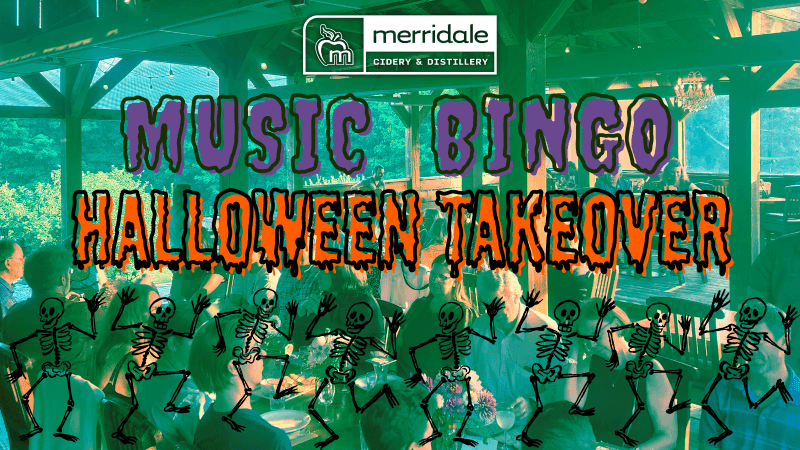
At Merridale Cidery & Distillery, from this guide
Music Bingo Halloween Takeover at Merridale Cidery & Distillery
Fri, Oct 306:00 PM
Merridale Cidery & Distillery
Looking for a fun Halloween event in the Cowichan Valley? Join us on Friday, October 30, from 6:00 PM to 8:00 PM for a…
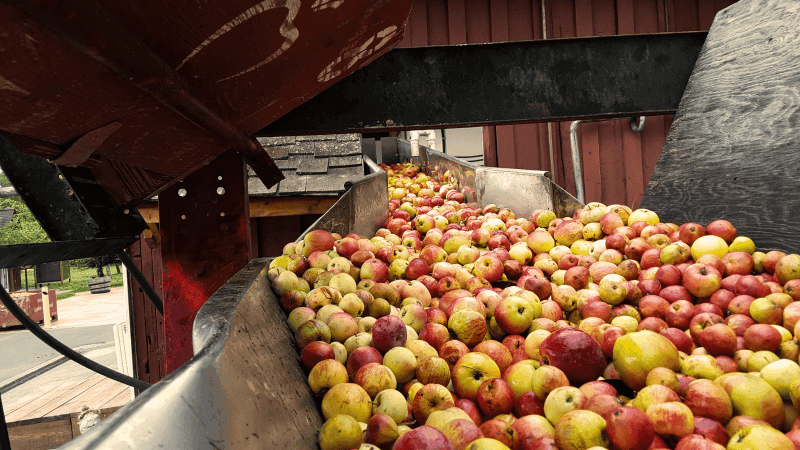
At Merridale Cidery & Distillery, from this guide
Apple Pressing at Merridale
Thu, Oct 22
Merridale Cidery & Distillery
Want to see where cider really begins? Come watch us press apples during harvest at Merridale. October is one of the…
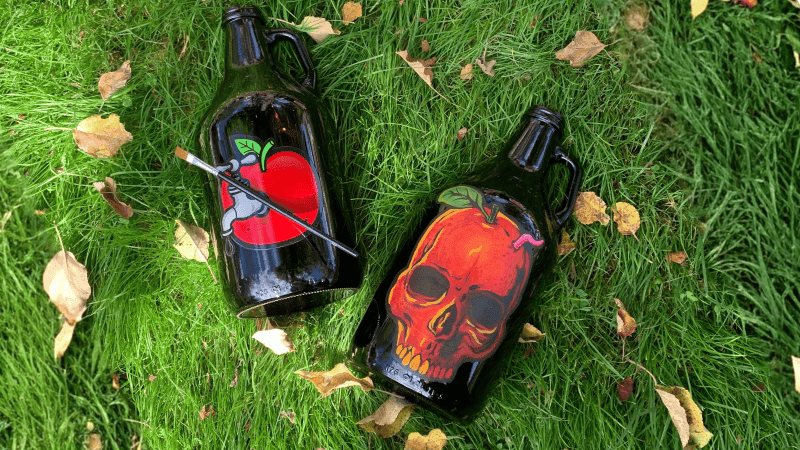
At Merridale Cidery & Distillery, from this guide
Pints & Paint Night at Merridale | 19+
Sun, Oct 256:00 PM
Merridale Cidery & Distillery$38
Merridale’s Halloween Pints & Paint Night – 19+ only! Costumes encouraged. Artistic talent absolutely not required. Join…
Where to next
Know someone planning this trip? Send it to them.